

Ashcliffe Psychology Blog and Newsletters

Tips for handling your teen’s exam stress
Learn about WHY teens experience distress, how it manifests, and 5 evidence-based tips that parents can use to help their teen navigate this stressful time.
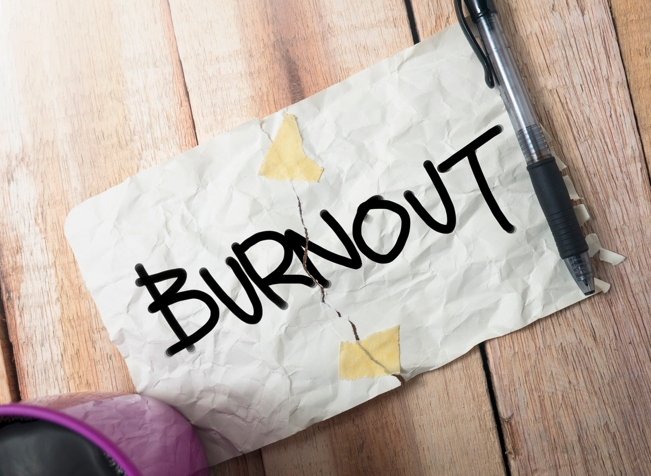
How to Avoid the Slippery Slope to Burnout
Learn the early signs of burnout, what drives it and 5 evidence-informed tips from Ashcliffe Psychology to protect your wellbeing. Perth psychologists.

Starting a Conversation That Matters
R U OK? Day 2026 falls on Thursday 10 September. Most of us already know the question: “Are you OK?” The difficult part is often not knowing what to say or do if the answer is “No.”

Why Peptides, Protocols, and Supplements Aren't Fixing You.
Are you stuck in "fix-it" mode? This article explores why chasing supplements and quick fixes often masks deeper stress patterns.

Running on Empty: The Mental Health Warning Signs Men Often Miss
Running on empty can look like irritability, exhaustion, poor sleep, overworking or feeling disconnected from life. Many men miss these early warning signs because they continue to function day-to-day.
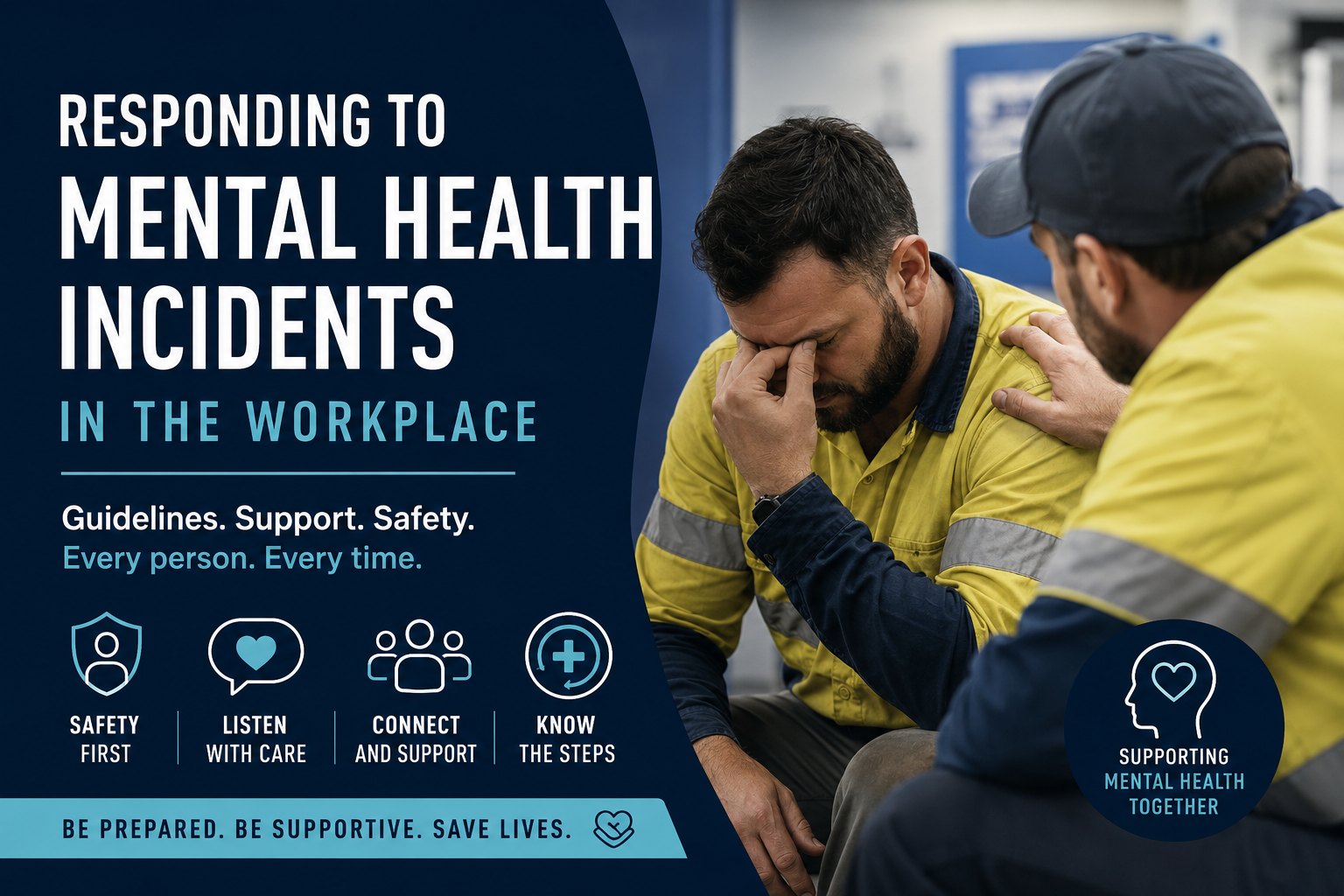
Responding to Mental Health Incidents in the Workplace: A Practical Guide for Organisations
Mental health incidents can happen in any workplace. Knowing how to respond calmly, safely, and compassionately can make a significant difference to the wellbeing of the individual, the team, and the broader workplace culture.

Setting Boundaries: Your Professional and Personal Protection
Boundary management ultimately sits with each individual worker, making boundary-setting skills a critical component of workplace mental health.

Understanding Burnout in Today's Workplace
Many workers aren't sure when they've crossed the line from being exhausted after a difficult week to actual burnout. Knowing the difference matters—not just for your own wellbeing, but for your workplace too.
Read our Newsletters
You’ll find a collection of articles we’ve written to support you on your mental health journey below.